Stop Taking ₦30K-₦50K Website Jobs When There Are Clients Willing To Pay You $500-$1,000+
The practical blueprint for Nigerian web designers who want to stop chasing cheap local jobs and start landing better-paying clients in dollars.
Get The Dollar Client Blueprint →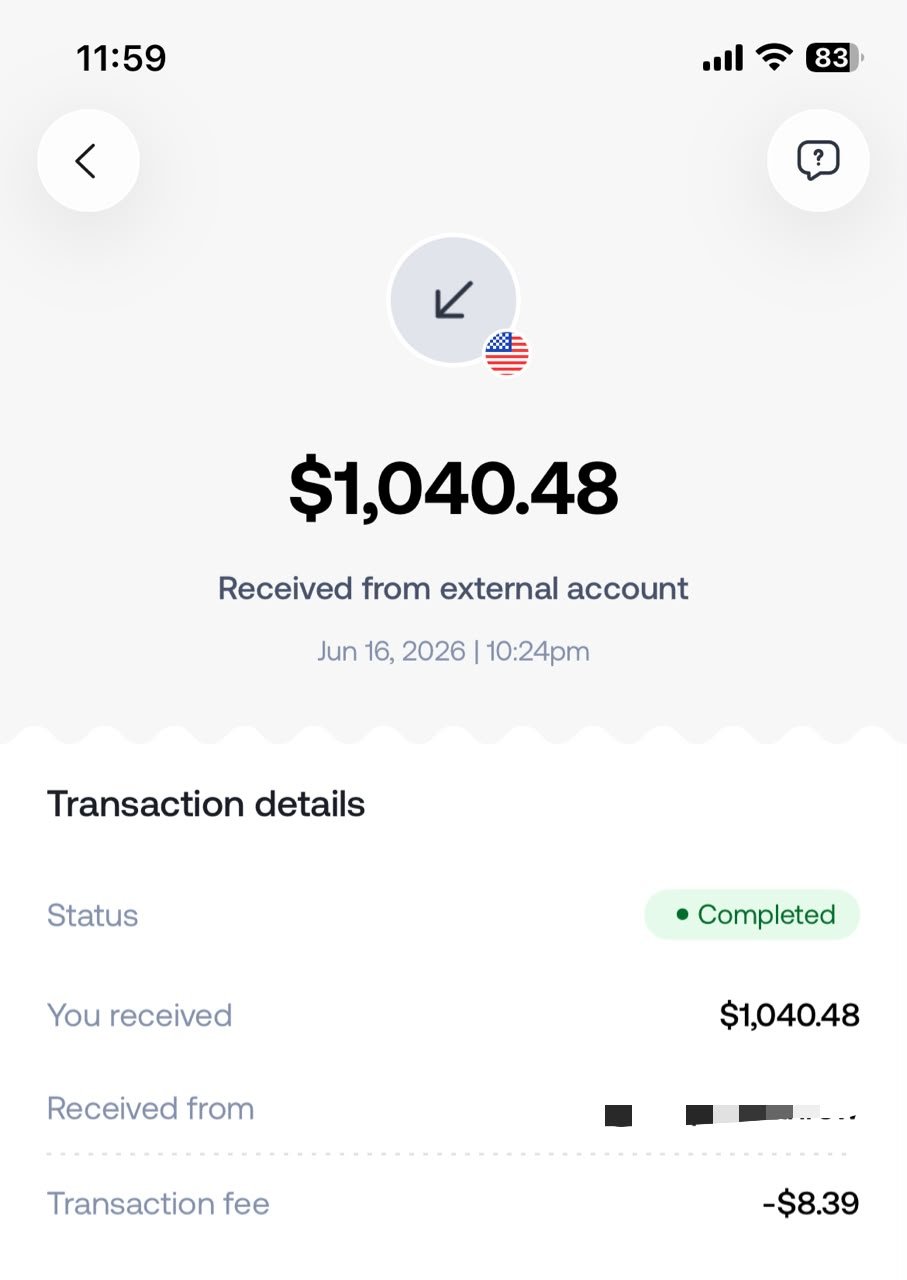
There are talented web designers in Nigeria who can build a beautiful website from scratch, set up a landing page, connect the forms, make everything responsive, and have the whole thing looking good in a matter of days.
Then they get paid ₦50,000 for it.
Sometimes less.
And the conversation usually ends with the same thing:
“Bro, that's my budget.”
So the designer reduces the price.
Because getting something is better than getting nothing.
Until you realize you've spent three or four days working on a project that barely moves your income forward.
I know this because I've been there.
And at some point, I started asking a different question:
That question changed a lot for me.
The Work Didn't Suddenly Become More Valuable.
I Just Started Selling It To A Different Market.
As I moved deeper into web design and funnel building, I started working with international clients and businesses.
Websites became landing pages.
Landing pages became complete funnels.
Then came automations, email marketing, CRM systems, sales pages, VSLs, booking systems and all the other pieces that sit behind a business's customer acquisition process.
I've worked across platforms like GoHighLevel, ClickFunnels, WordPress, Framer and others.
I've built and managed funnels for international businesses, worked directly with clients and agencies, and contributed to campaigns that have generated significant revenue.
At one point, the funnels and campaigns I worked on had generated over $150,000 in sales for clients.
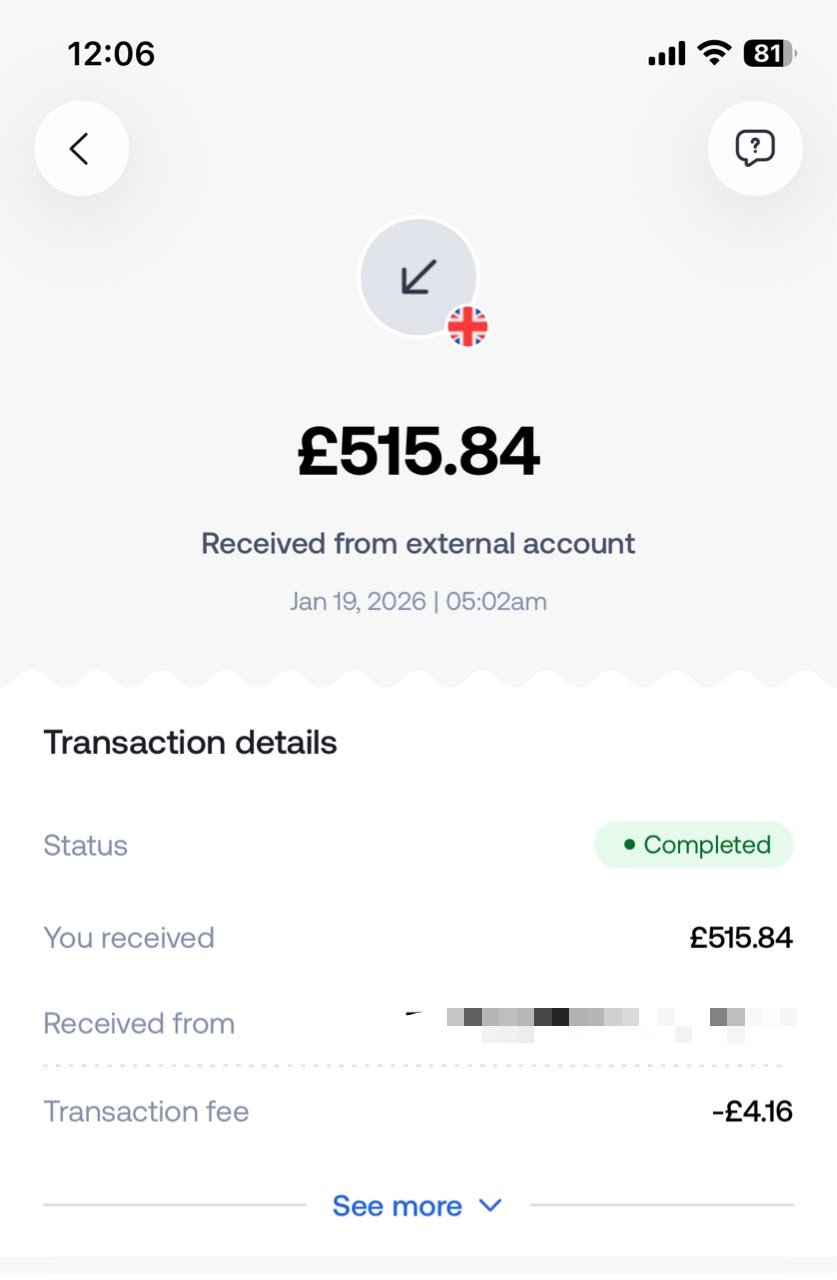
And here's why I'm telling you that.
Not because you should look at my results and assume you'll automatically get the same thing.
You won't.
Your results will depend on your skill, your offer, who you approach and what you actually do with the information.
I'm showing you because I want you to understand something that took me a while to really appreciate:
The same designer who gets told that ₦100,000 is “too expensive” can find a business owner who sees a $500 project as a perfectly reasonable investment.
That's the opportunity.
The Dollar Client Blueprint
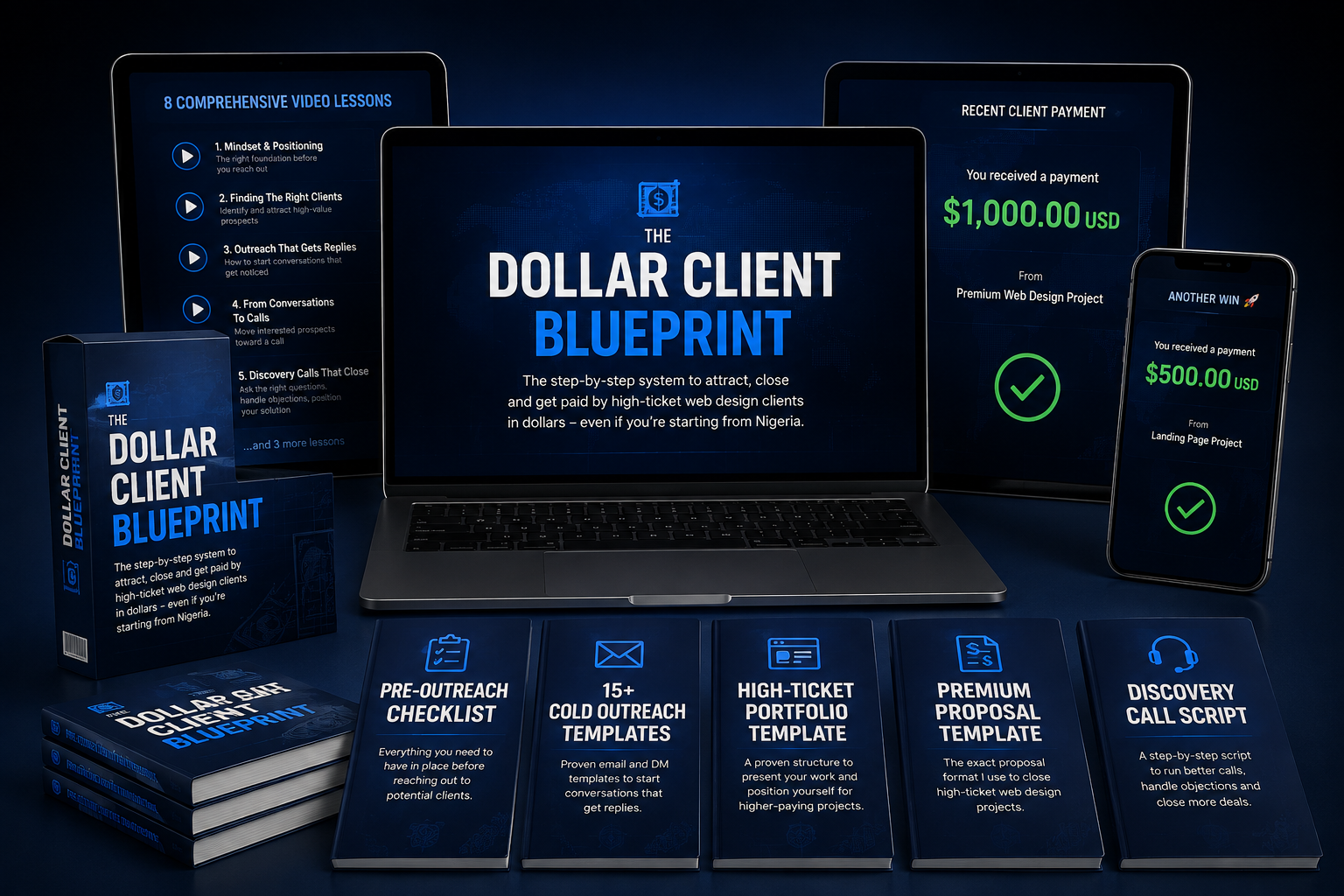
I put together the Dollar Client Blueprint for Nigerian web designers and agency owners who are tired of figuring all of this out through random trial and error.
It's the process I would have wanted when I was trying to figure out how to consistently find better clients, approach them properly and turn conversations into actual projects.
Inside, you'll learn how to position your service, identify better prospects, reach out without sounding like every other freelancer in their inbox, handle the sales conversation, present your offer and move toward getting paid.
And I've included the actual resources that make those steps easier to execute.
Get instant access for ₦15,000.
The Problem With Most Freelancers Isn't Their Skill.
It's Everything That Happens Before The Client Says Yes.
Think about how much work goes into a typical project.
You can spend years learning design. You can learn Webflow, Framer, WordPress, GoHighLevel, ClickFunnels or whatever platform you prefer. You can build a portfolio you're genuinely proud of. You can even become very good at conversion-focused design.
But none of that automatically puts you in front of someone who wants to hire you.
That's where things usually get messy.
You find a prospect and don't know what to say.
Someone responds and you don't know how to move the conversation forward.
A prospect asks for your portfolio and you're not sure whether what you've built actually communicates your value.
Someone asks for a proposal and you send them a document that looks more like an invoice than a sales tool.
Then you finally get on a call and spend the first ten minutes talking about yourself.
None of these problems are particularly difficult to solve.
But when you're trying to figure them all out at the same time, it's easy to stay stuck.
That's why the blueprint focuses on the entire journey from finding the right prospect to closing the project.
Here's What You'll Get
8 Comprehensive Video Lessons
This is the core of the blueprint.
The lessons walk through the process from positioning and preparation to outreach, client conversations and closing.
You'll learn how to approach the client acquisition process deliberately rather than simply sending messages and hoping someone replies.
The goal is for you to finish the training with a process you can actually use. Not a notebook full of information you'll never look at again.
The Pre-Outreach Checklist
Before you start reaching out to potential clients, there are a few things that should already be in place.
Your positioning. Your portfolio. Your offer. Your messaging. The way you're presenting yourself.
This checklist gives you a straightforward way to go through those pieces before you start contacting prospects.
Because there's nothing worse than finally getting someone's attention and realizing you weren't prepared for what happened next.
15+ Cold Outreach Templates
Let's be honest. Writing the first message is often harder than it should be.
You find a business that looks like a good prospect, open their DM or email, stare at the screen for five minutes, write something, delete it, rewrite it... and eventually tell yourself you'll send it tomorrow.
I've included more than 15 outreach templates to give you a starting point. You'll see different approaches you can adapt depending on the prospect, the business and what you're offering.
They're there to help you get out of the “What exactly am I supposed to say?” stage and into actually starting conversations.
High-Ticket Portfolio Template
Your portfolio isn't just proof that you can design. It's part of the sales conversation.
A business owner looking at your work is quietly asking: “Does this person understand businesses like mine?” “Can I trust them with something important?” “Will hiring them be worth it?”
The High-Ticket Portfolio Template shows you how to present your work in a way that supports premium positioning instead of simply displaying screenshots and hoping the client connects the dots.
Premium Proposal Template
You've had the conversation. The prospect is interested. Then they say: “Send me a proposal.”
This is where you need to make the decision easy.
The Premium Proposal Template gives you a professional structure you can customize for your own projects, covering the important pieces of the offer and presenting the work in a way that makes the investment easier to understand.
No more opening a blank document and wondering what on earth you're supposed to put in it.
Discovery Call Script
This is where a lot of designers lose confidence. The prospect gets on the call. They explain the business. They tell you what they want. Then comes the dreaded question: “So, how much do you charge?”
A good discovery call isn't about talking the client into buying something they don't need.
It's about understanding the business well enough to determine what needs to be done, whether you're actually a good fit, and what the project should look like.
The Discovery Call Script gives you a framework for asking better questions, uncovering the real problem, handling common objections and leading the conversation confidently toward a decision.
Put All Of That Together And You Have A Real Client Acquisition System.
Here's the journey:
Get prepared.
Position your service properly.
Find businesses worth approaching.
Start the conversation.
Turn interest into a sales call.
Understand what the client actually needs.
Present the project professionally.
Close the deal and get paid.
That sounds simple when you see it written out.
The difficulty is knowing what to do at each stage.
That's what the blueprint is for.
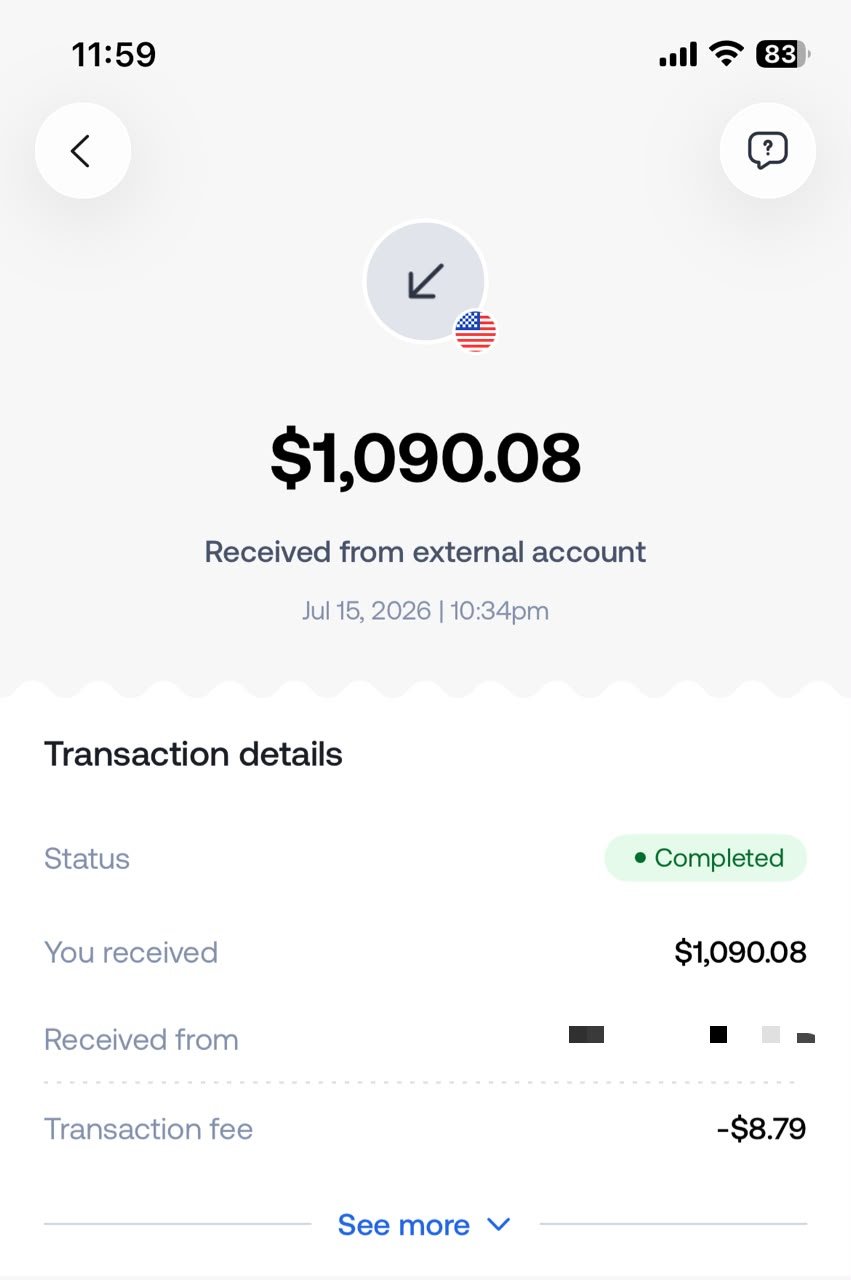
And I'm Going To Show You The Receipts.
I don't want this page to depend entirely on you taking my word for it. You'll see screenshots of actual earnings, payments, projects and results throughout this page.
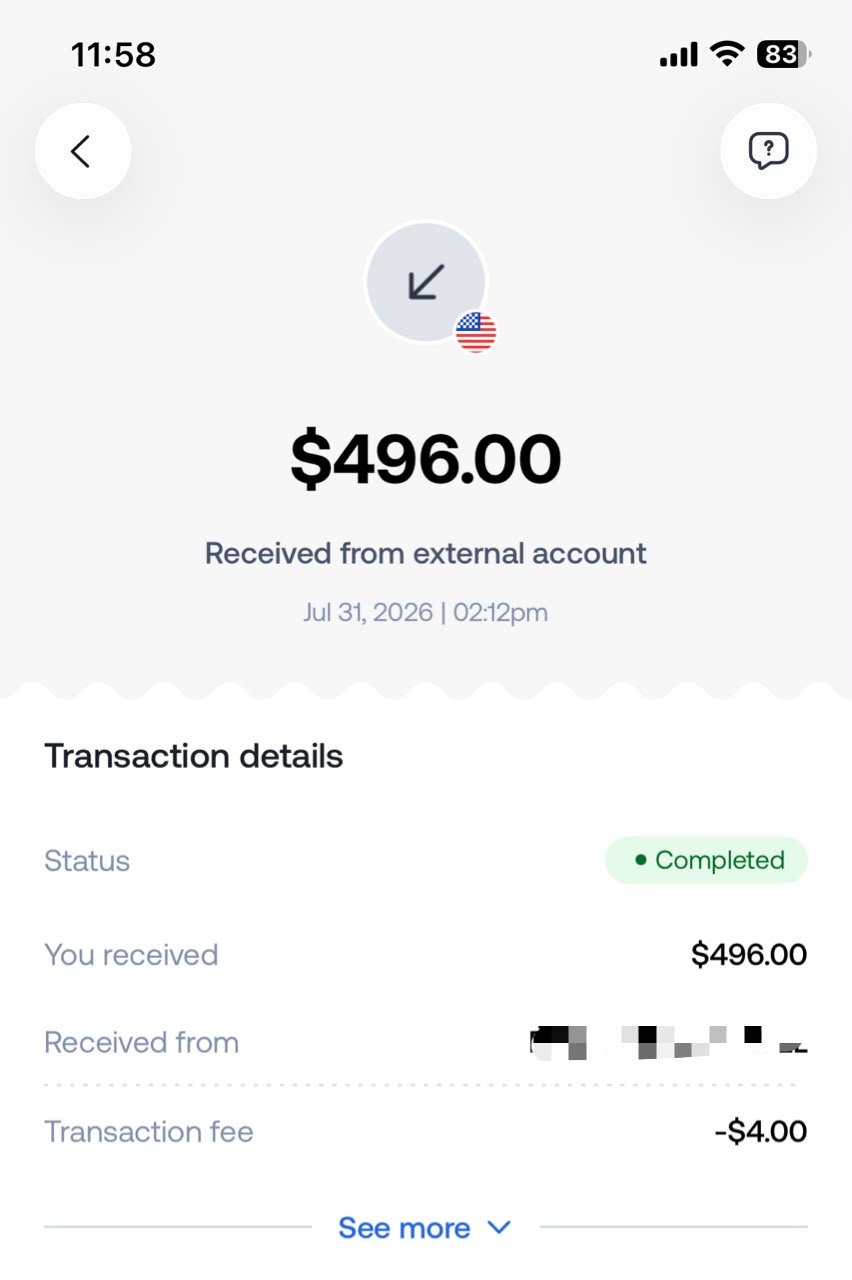
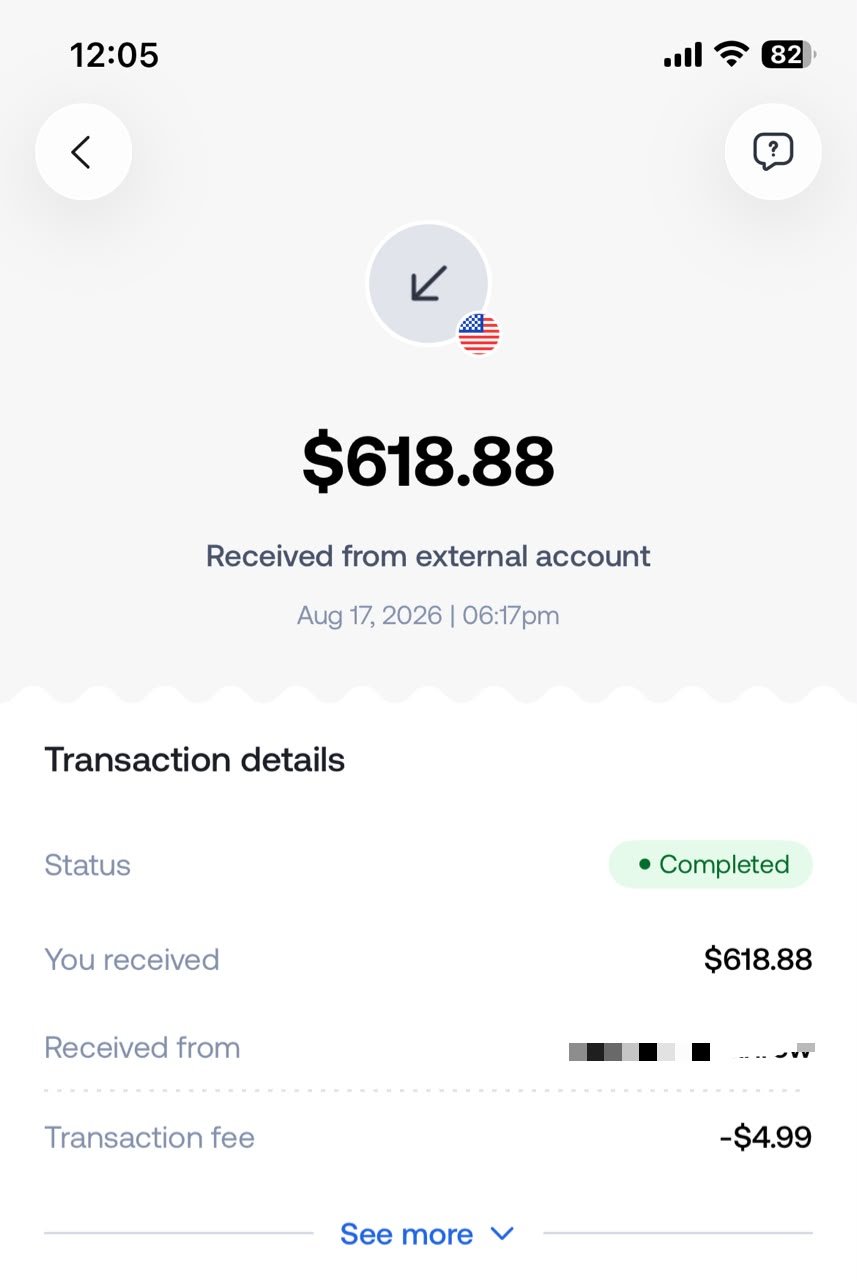
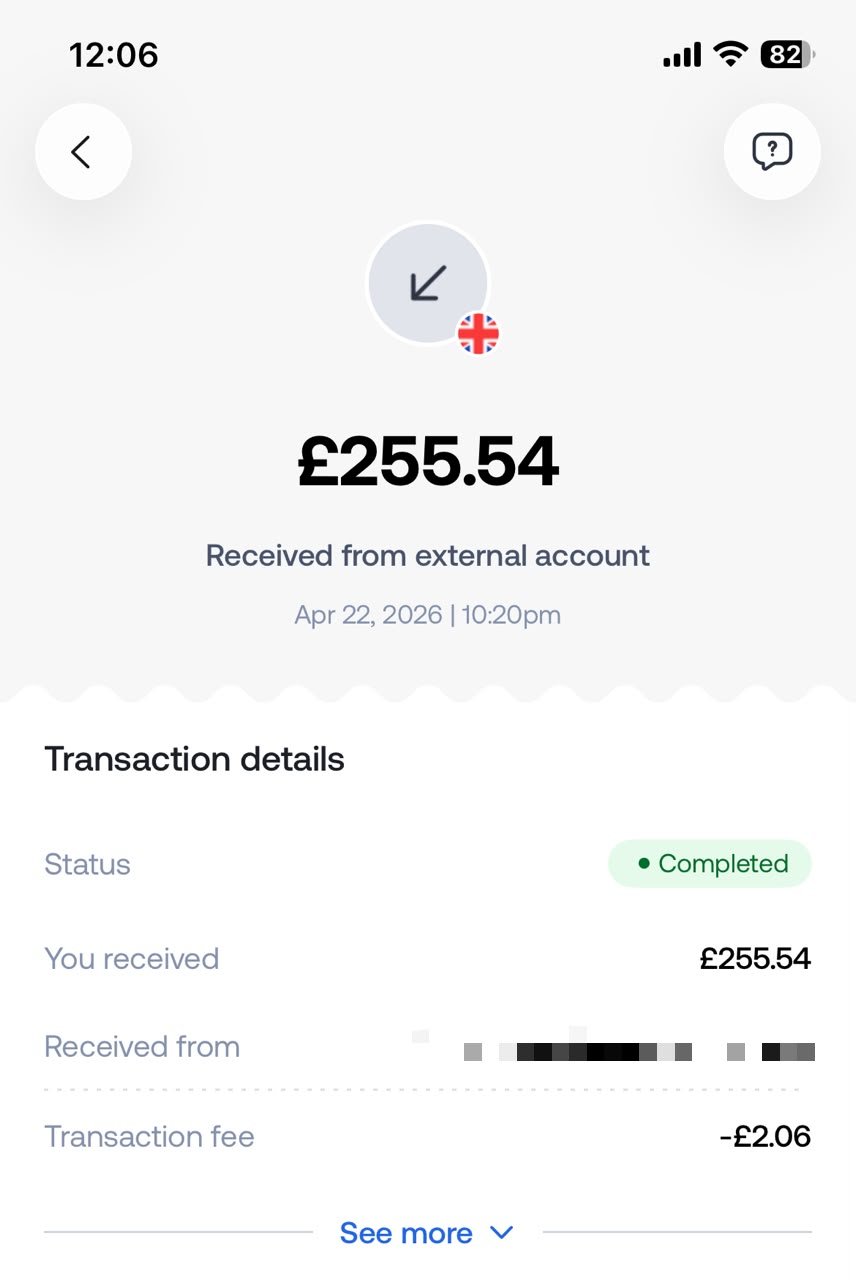
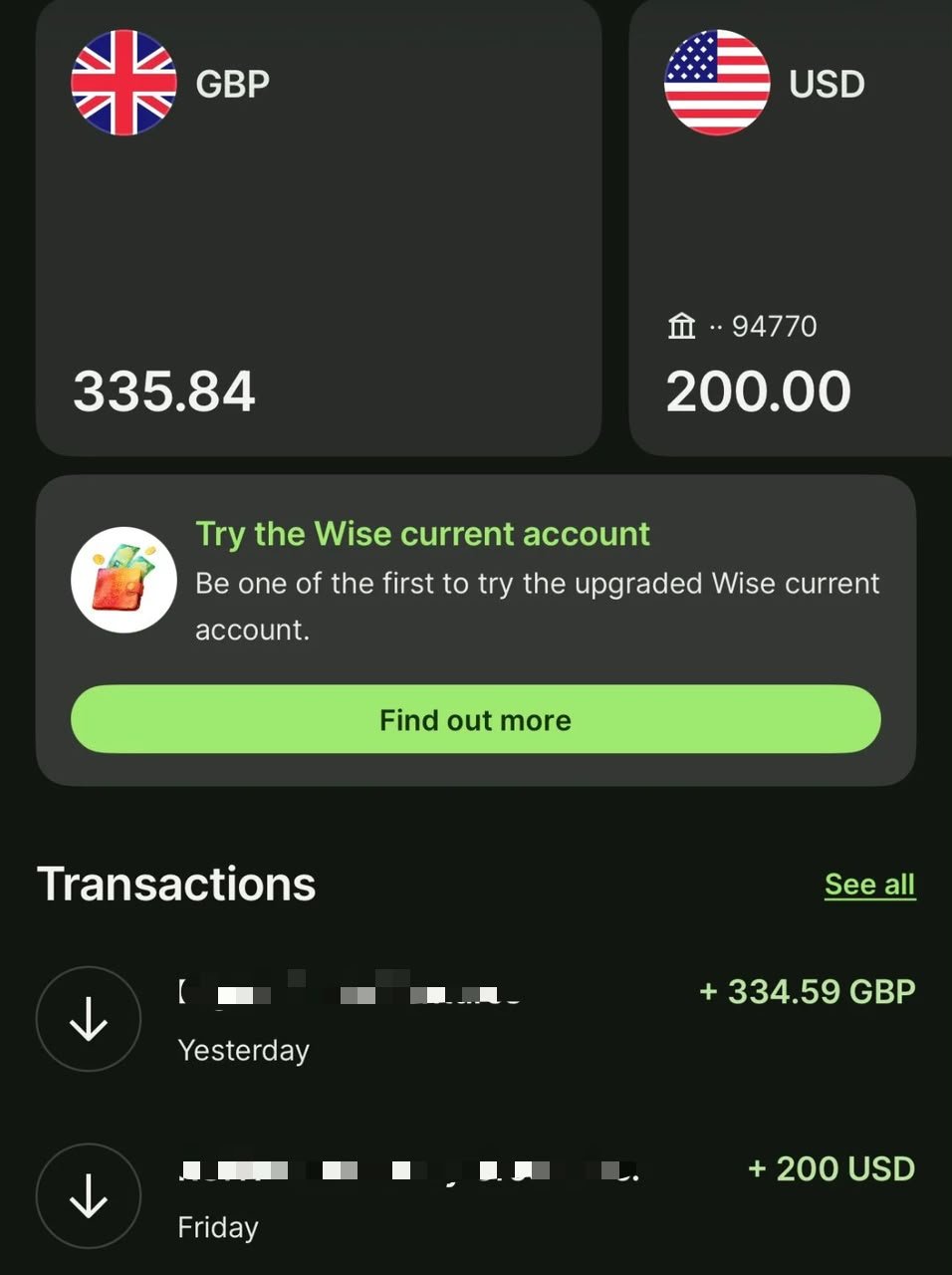
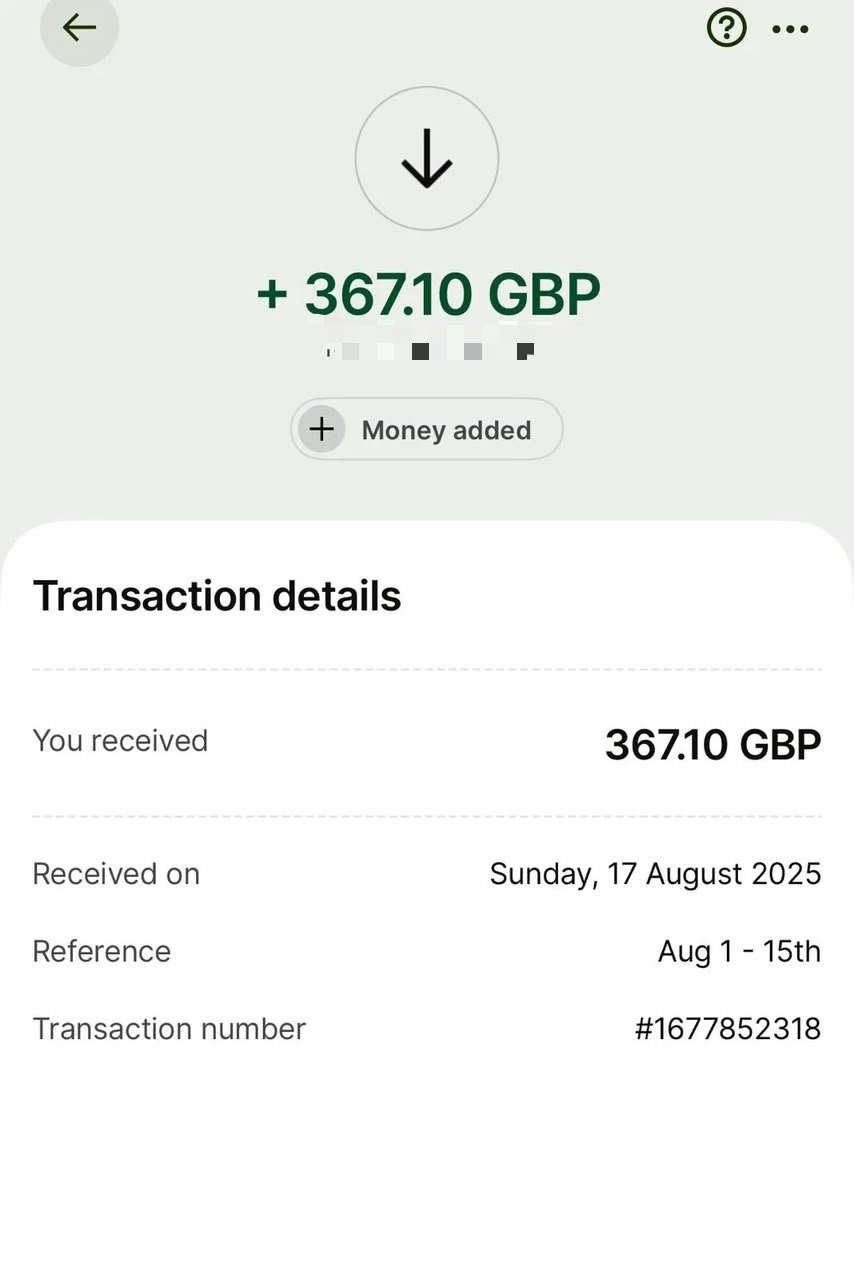
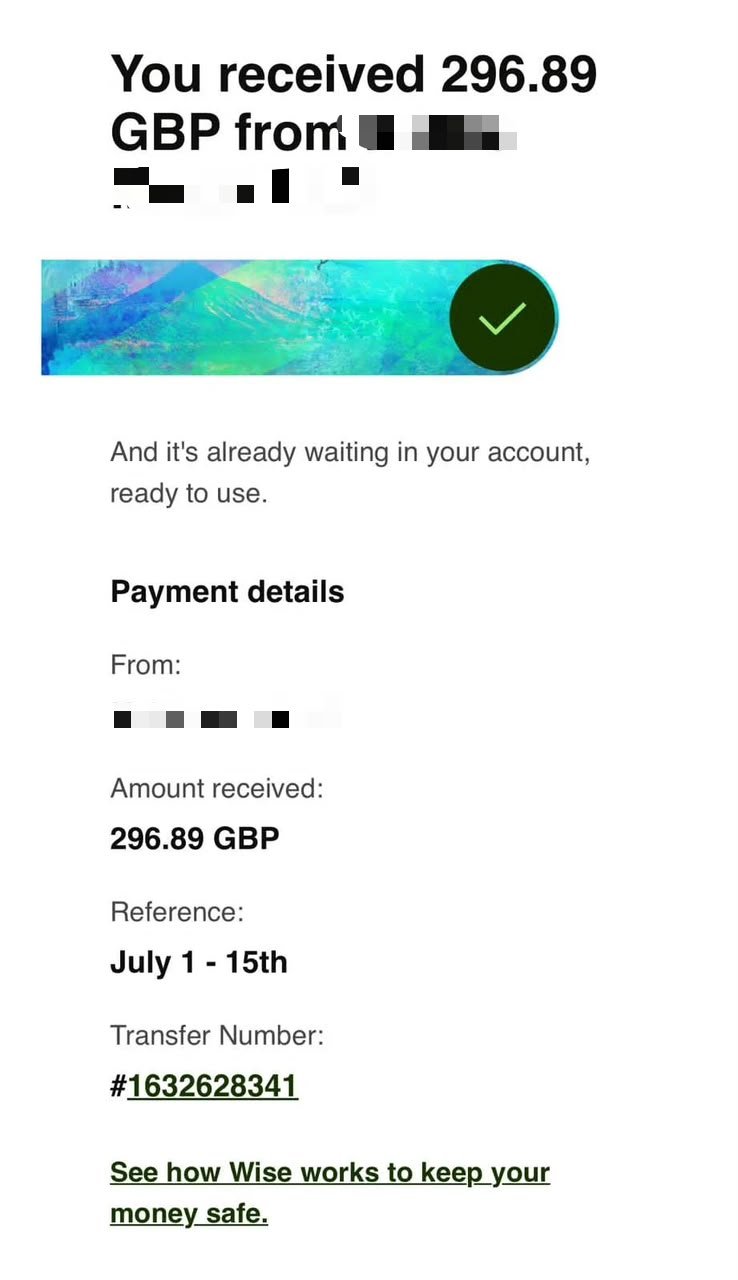
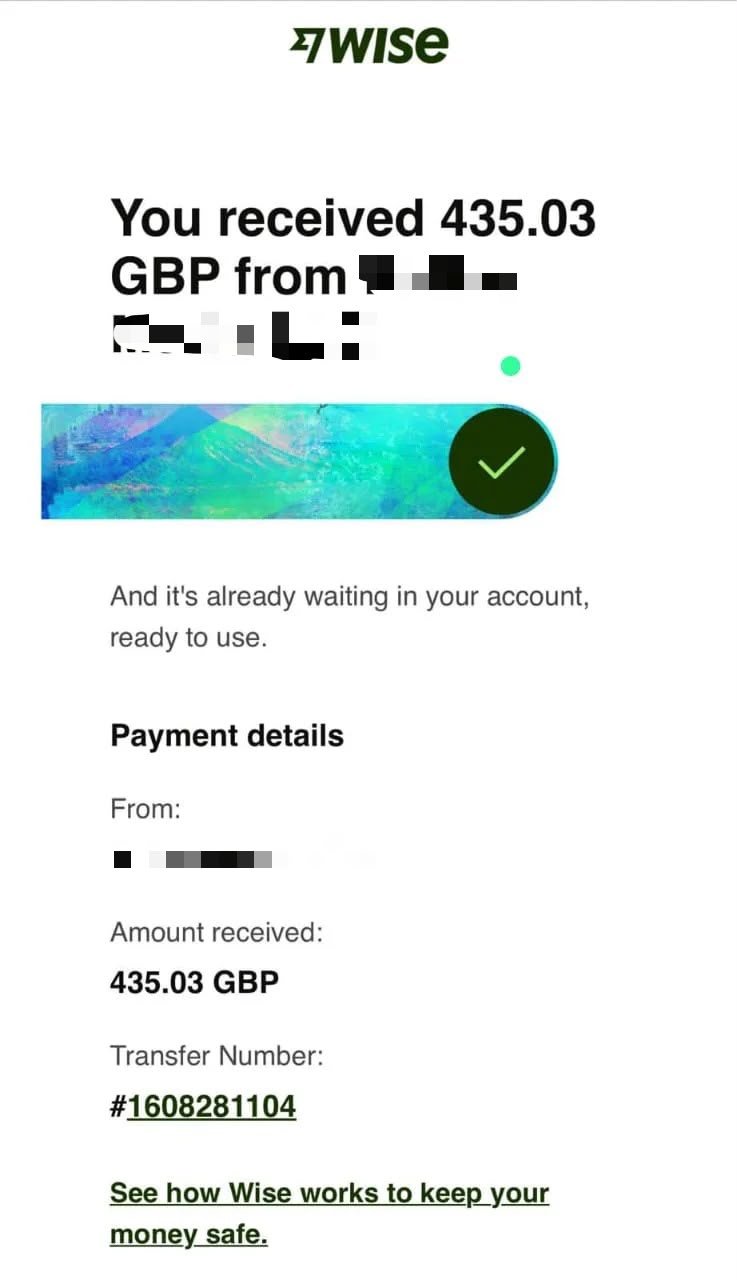
These aren't promises of what you will make.
They're proof that the model itself isn't some imaginary internet business idea.
People are already paying for these skills.
What Happens When You Start Thinking Beyond “Website Design”?
This is where things get interesting.
A business owner rarely wakes up thinking: “I really need a beautiful 5-page website today.”
They're thinking about leads. Sales. Bookings. Customers. Credibility. Growth. A better customer journey.
Their website might be one part of the solution.
A landing page might be another.
An automated follow-up system might be another.
A sales funnel might be another.
Once you understand that, you're no longer competing exclusively with someone whose selling point is: “I can build your website for ₦50,000.”
You're having a different conversation.
Who Is This For?
The Dollar Client Blueprint is built for:
You've got the skill. You want clients outside Nigeria who can pay you properly for it.
You're spending too much time on projects that leave very little money in your pocket.
You can build. You're just not sure how to consistently find people who want to pay you for it.
Referrals are great, but you shouldn't have to sit around hoping someone remembers to recommend you.
You want a repeatable way to help yourself or your team find better opportunities.
If you're already good at what you do but the business side still feels like guesswork, this is where the blueprint can help.
Who This Isn't For
I'm not going to tell you that you'll make $1,000 in seven days.
That's not how client acquisition works.
Some prospects won't reply. Some will say no. Some will tell you your price is too high. Some projects won't close.
You'll have to do the outreach, improve your skills, learn from the conversations and keep going.
What the blueprint gives you is the structure.
Instead of reinventing the process every time you want a client, you'll have something you can return to and work through.
Your First Dollar Client Could Change More Than Your Bank Account.
There's something different about getting your first international payment.
Not because $500 or $1,000 magically solves everything.
But because it changes your understanding of what's possible.
You realize that somebody thousands of kilometres away can look at your work and decide:
“Yes. This is worth paying for.”
Then you can do it again.
Maybe the next project is $700.
Then $1,200.
Then you start offering something more comprehensive.
Then you realize you don't have to build your entire business around whoever happens to find you in your WhatsApp contacts.
That's how the ceiling starts moving.
One client at a time.
Here's Everything You Get Today
The Entire Blueprint Is ₦15,000.
Not ₦150,000.
Not a monthly subscription.
Not another expensive mentorship where you pay thousands before you've even landed your first international client.
You can spend ₦15,000 trying random strategies for months.
Or you can spend it once to get the framework, templates and resources I've put together specifically for this problem.
And if the blueprint helps you close even one $500 project, you've already made back more than the cost of entry.
I'm not promising that will happen.
I'm showing you why the economics make sense.
You Already Have A Skill People Are Willing To Pay For.
The question is whether you're going to keep selling that skill to whoever happens to find you...
or start deliberately putting yourself in front of businesses that can afford it.
I've spent years building websites, funnels and marketing systems.
I've worked with international clients.
I've seen what happens when good technical work is combined with strong positioning and a proper sales process.
And I've learned a lot of those lessons the expensive way.
So you can spend less time wondering what to do next and more time actually getting in front of potential clients.
Start Building Your Dollar Client Pipeline.
Get the Dollar Client Blueprint for ₦15,000.
Yes, I Want The Dollar Client Blueprint →Results vary based on your skills, offer, market, execution and consistency. The Dollar Client Blueprint is an educational product and does not guarantee clients, income or any specific financial result.